Mobile Home Belly Wrap and Bottom Board Repair in Huntington Beach, CA
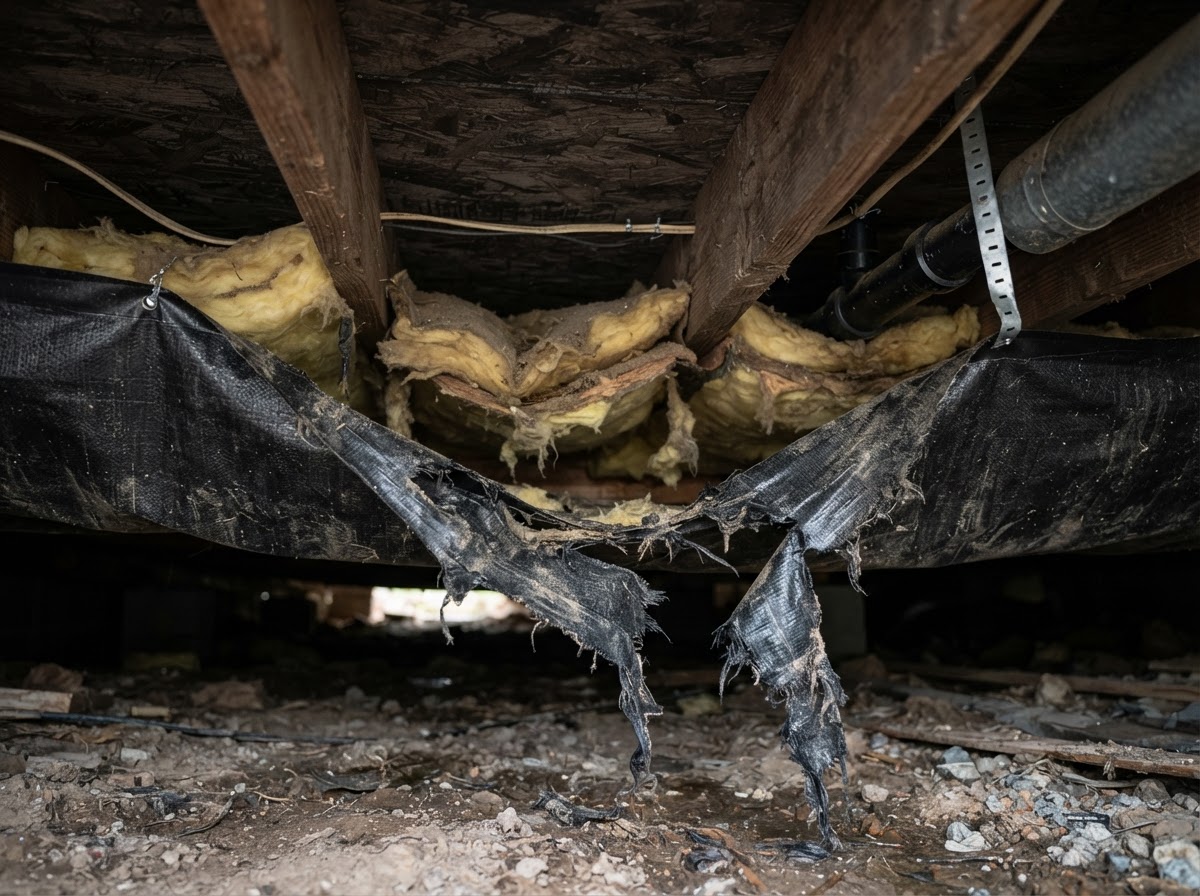
Torn belly wrap, sagging bottom board, or exposed insulation beneath a manufactured home can compromise the enclosure that protects the floor cavity. Explore what these systems do, how they differ from vapor barriers and skirting, and how to request an underbelly evaluation in Huntington Beach and nearby Orange County communities.
Request a Mobile Home Belly Wrap & Bottom Board Repair Estimate
Share your property details and the mobile home belly wrap & bottom board repair concern you'd like evaluated. Submitting opens your email client with your information pre-filled.
Request an Estimate
Tell us a little about your manufactured home and the issue you're experiencing. Submitting opens your email client with your details pre-filled — no information is stored on this website.
Understanding Mobile Home Belly Wrap and Bottom Board Systems in Huntington Beach
The underbelly enclosure is part of a manufactured home's original floor assembly. Understanding what it does helps explain why damage beneath the home deserves attention.
A manufactured home's floor cavity typically holds insulation, wiring, and plumbing runs above a protective membrane installed across the underside. That membrane — the belly wrap or bottom board — encloses the cavity, helps hold insulation in place, and shields the components above from moisture, air movement, and pests. It's part of how the home was designed to perform, not a cosmetic add-on.
How the enclosure is constructed varies by manufacturer and home age. Some homes use a flexible fabric fastened with rods or adhesives; others use a more rigid board. Because the system differs, an evaluation considers what's actually installed and how it's attached rather than assuming a single construction type applies to every home.
Signs of Mobile Home Belly Wrap Damage Near Huntington Beach
Visible changes beneath a home can point to underbelly enclosure concerns. Because the same signs can come from several causes, an evaluation considers the membrane, its attachment, and the conditions around it.
Torn Material
Rips, punctures, or splits in the underbelly membrane can expose the insulation and framing above to moisture, pests, and air movement.
Loose Sections
Material that has pulled away from its fasteners or the chassis can sag and stop performing the enclosure function it was installed for.
Sagging Enclosure
A belly board that hangs below the floor framing instead of lying flat may have lost adhesion, fastening, or structural support.
Exposed Insulation
Visible fiberglass or other insulation hanging below the home is a sign the protective enclosure has been compromised.
Pest-Related Damage
Chewing, nesting, or claw marks can indicate animals have accessed the underbelly, often through an existing tear.
Moisture Exposure
Staining, dampness, or deterioration of the membrane or insulation can point to moisture reaching the underbelly from above or below.
Deteriorated Fastening Areas
Fasteners, adhesives, or rods that have corroded, broken, or pulled loose can allow the enclosure to detach over time.
Previous Repair Concerns
Patches, mismatched materials, or undocumented past repairs may not match the original enclosure system and deserve evaluation.
Visible damage doesn't, on its own, prove structural deterioration beneath the home. These signs are reasons to request an evaluation — and not a reason to enter an unsafe crawlspace or attempt repairs without qualified help.
Belly Wrap and Ground Vapor Barrier Differences for Huntington Beach Manufactured Homes
Belly wrap, vapor barriers, skirting, and drainage are related parts of an under-home moisture strategy — but they are not interchangeable.
Underbelly Enclosure (Belly Wrap)
Seals the underside of the floor cavity, holds insulation in place, and protects framing and utilities from above-and-below exposure.
Floor Insulation
Sits inside the floor cavity above the belly wrap. Its condition is related to, but separate from, the enclosure that protects it.
Ground Vapor Retarder (Vapor Barrier)
Lies on the soil beneath the home to limit moisture vapor rising from the ground — a different layer in a different place.
Skirting & Drainage
Skirting encloses the perimeter and affects ventilation; drainage manages water movement around and beneath the home. Both interact with moisture but address different concerns.
Underbelly Material Considerations in Coastal Orange County
Coastal moisture and salt-air exposure can be relevant to underbelly materials, but exposure varies property to property.
In a coastal setting, the underbelly enclosure and its fasteners can be exposed to moisture and salt air, which may contribute to material aging, fastener corrosion, or deterioration over time. Whether a particular home is affected depends on proximity to the coast, skirting ventilation, drainage, and maintenance history.
Coastal exposure isn't assumed without inspection. A property's actual conditions are determined by evaluation, and coastal factors are weighed alongside installation history and the condition of the enclosure itself.
How Deteriorated Underbelly Material May Relate to Insulation
When the belly wrap is torn, loose, or missing, the insulation above it can be exposed to moisture, air movement, and pests. Over time that exposure may reduce insulation effectiveness or lead to visible deterioration. The relationship between the enclosure and the insulation is why underbelly damage is evaluated alongside the floor cavity it protects.
Insulation replacement isn't prescribed without evaluation. Whether insulation needs attention — and what scope is appropriate — depends on what an inspection finds, the home's construction, and applicable requirements, not on the visible membrane alone.
Inspection and Repair Considerations for Manufactured Home Underbellies
An evaluation considers the membrane's condition, how it's fastened, the insulation and framing above it, and any moisture, pest, or drainage conditions that may have contributed. Because underbelly damage can sit alongside other under-home concerns, the assessment looks at the whole assembly rather than the visible tear alone.
No material or installation method is prescribed without applicable manufacturer and regulatory guidance. Repair scope — patching, section replacement, or a broader enclosure repair — follows what the evaluation finds and what's appropriate for the specific home.
Related Under-Home Protection Services
Mobile Home Belly Wrap Questions from Huntington Beach Homeowners
Request a Mobile Home Belly Wrap Repair Estimate in Huntington Beach
If you've noticed torn belly wrap, sagging bottom board, or exposed insulation beneath your home, the first step is describing what you've seen. Share your property details and request information about appropriate next steps.